# Embroidery Digitizing: A Complete Guide for Professional Embroidery
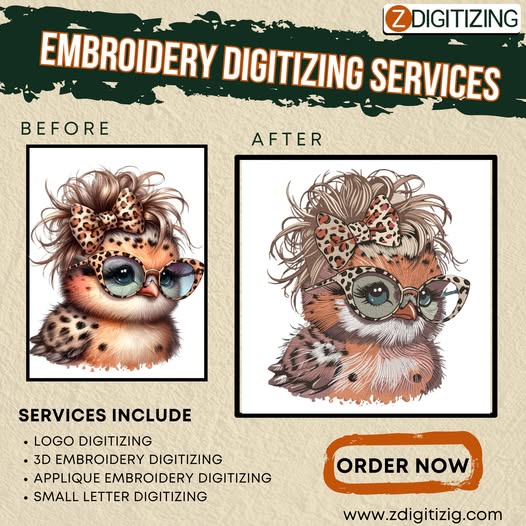
Embroidery has been used for centuries to decorate clothing, accessories, uniforms, bags, and other fabric products. With advances in technology, traditional embroidery has become more precise and efficient through a process known as embroidery digitizing. This process converts artwork, logos, lettering, and other designs into digital files that computerized embroidery machines can read and reproduce with stitches.
For clothing businesses, fashion designers, promotional product providers, and embroidery enthusiasts, understanding how embroidery digitizing works can make it easier to achieve clean, accurate, and professional results. The quality of the digitized file can directly affect the appearance, durability, and overall quality of the finished embroidery.
## What Is Embroidery Digitizing?
Embroidery digitizing is the process of converting artwork into a digital embroidery file containing instructions for an embroidery machine. Instead of simply reproducing an image, the digitizer creates a structured sequence of stitches that forms the design on fabric.
A digitizer carefully evaluates the artwork and decides which stitch types, directions, densities, and patterns are appropriate for each part of the design. Other factors, including fabric type, design size, thread characteristics, and embroidery machine capabilities, may also influence the digitizing process.
The finished file tells the embroidery machine where to place stitches, when to change thread colors, and how to move from one section of the design to another. This makes embroidery digitizing an important technical step between artwork creation and physical embroidery.
## Why Is Professional Embroidery Digitizing Important?
A design that looks clear on a computer screen does not always produce the same result when embroidered onto fabric. Embroidery uses physical stitches, thread tension, needles, and different types of materials. These factors can affect how a design appears after stitching.
Professional embroidery digitizing takes these variables into consideration. Small details may need to be simplified, lettering may require specific stitch settings, and large areas may need suitable fill patterns to prevent excessive thread buildup.
Proper digitizing can also reduce common embroidery problems such as puckering, gaps, uneven stitching, thread breaks, and distorted shapes. A carefully prepared file helps the embroidery machine reproduce the artwork more accurately and consistently.
## Benefits of Embroidery Digitizing
Embroidery digitizing provides several advantages for both individuals and businesses. One major benefit is consistency. Once a design has been properly digitized, it can be reproduced across multiple garments and products with a reliable appearance.
Digitized embroidery can also provide a professional finish for uniforms, caps, jackets, bags, workwear, and promotional products. A well prepared design can maintain clear shapes and lettering while providing durable decoration.
Another advantage is flexibility. Embroidery digitizing can be used for names, monograms, decorative patterns, artwork, and business logos. Designs can also be adjusted according to the size, shape, and fabric of the item being embroidered.
For businesses, consistent embroidered designs can support visual identity across employee clothing and promotional materials.
## How to Choose a Quality Embroidery Digitizing Service
Choosing a reliable embroidery digitizing service like ***[ZDigitizing](https://zdigitizing.com/)*** requires more than comparing prices. Experience, technical knowledge, file compatibility, and attention to detail are important factors.
A quality service should understand how different fabrics and design sizes affect stitch selection and density. It should also provide the file format required by the embroidery machine being used.
Common embroidery file formats include DST, PES, EXP, and JEF. The appropriate format depends on the specific embroidery machine.
It is also helpful to consider whether revisions or adjustments are available. Even a carefully prepared design may require minor changes after testing, particularly when working with a new fabric or embroidery size.
## Conclusion
Embroidery digitizing is an essential process for turning digital artwork into high quality stitched designs. It requires careful decisions about stitch types, density, direction, underlay, sequencing, fabric characteristics, and machine compatibility.
A properly digitized design can improve consistency, reduce production issues, and create a professional finish across different embroidered products. Whether the goal is personalized clothing, decorative embroidery, uniforms, or promotional products, understanding the digitizing process helps ensure that artwork is prepared appropriately for physical stitching.
As embroidery technology continues to develop, skilled digitizing will remain important for achieving accurate and durable results. Combining suitable software with practical knowledge of fabrics, threads, and embroidery techniques provides a strong foundation for producing quality embroidered designs.
## Frequently Asked Questions About Embroidery Digitizing
### What is an embroidery digitizing file?
An embroidery digitizing file is a specialized digital file that contains instructions for an embroidery machine. It defines elements such as stitch placement, stitch sequence, thread changes, and other information needed to reproduce a design.
### Can any image be converted into an embroidery design?
Most artwork can be prepared for embroidery, but not every detail can be reproduced exactly. Small text, thin lines, and highly detailed elements may need to be simplified or adjusted to work effectively with stitches.
### How long does embroidery digitizing take?
The time required depends on the complexity, size, detail, and intended application of the design. A simple design may require less preparation, while detailed artwork can require more careful digitizing and testing.
### Why does embroidery quality depend on digitizing?
Digitizing determines how an embroidery machine interprets the artwork. Incorrect stitch density, direction, sequencing, or underlay can lead to problems such as gaps, puckering, uneven coverage, and distorted details. Proper digitizing helps the final embroidery closely match the intended design.