# **Who Leads Eye Care Innovation Best Eye Specialist in Khanewal 2026?**
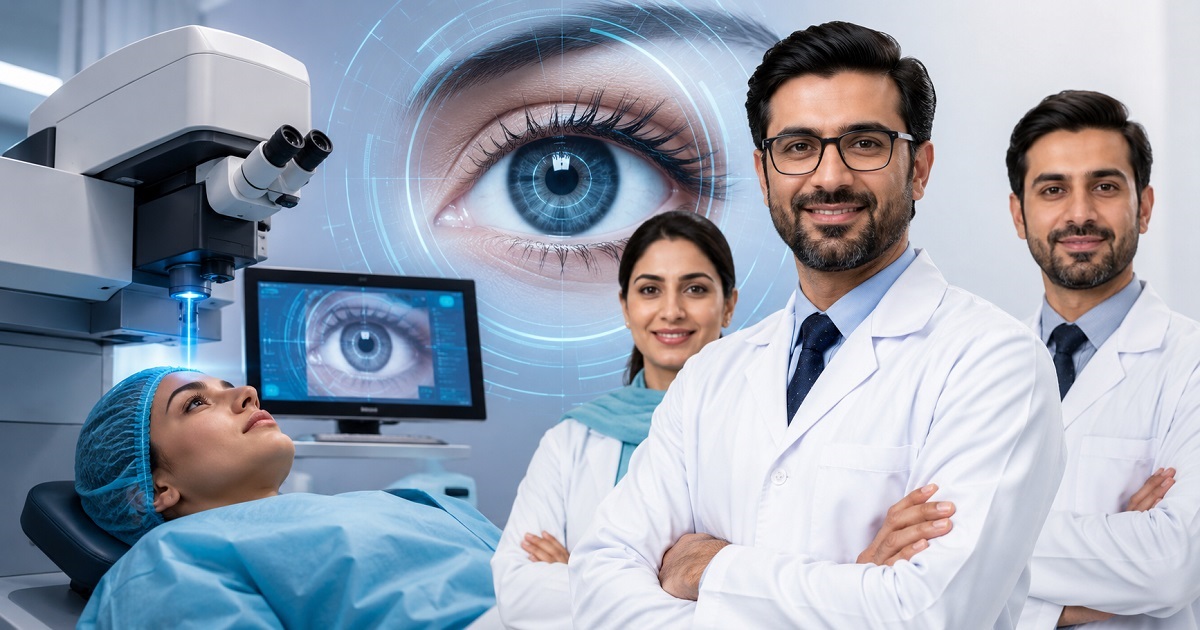
Finding the Best Eye Specialist in Khanewal is becoming increasingly important as eye care continues to evolve with advanced medical technology and modern treatment methods. In 2026, patients expect more than routine eye examinations. They seek specialists who combine clinical expertise with innovative diagnostic tools, personalized treatment plans, and patient-centered care. Whether you require a comprehensive eye examination, treatment for an eye disease, or consultation for vision correction surgery, choosing the right specialist can make a significant difference in preserving your eyesight.
The **[Best Eye Specialist in Khanewal](https://www.zafarlasereyeclinic.com/)** stands out by embracing innovation while maintaining a strong commitment to accurate diagnosis, safe treatment, and long-term eye health. Modern eye specialists use advanced imaging systems, digital diagnostics, minimally invasive procedures, and evidence-based treatment strategies to provide high-quality care for patients of all ages.
### **The Evolution of Eye Care in 2026**
Eye care has advanced significantly over the past decade. Traditional vision testing has expanded into comprehensive diagnostic evaluations supported by sophisticated imaging technologies and digital health systems.
Modern eye specialists focus not only on treating existing eye conditions but also on preventing vision loss through early diagnosis, continuous monitoring, and personalized treatment planning. These improvements have increased the accuracy of diagnoses and enhanced patient outcomes across Pakistan.
### **What Defines an Innovative Eye Specialist**
Innovation in eye care is not limited to advanced equipment. It also includes adopting the latest medical knowledge, improving patient communication, and developing individualized treatment plans. An innovative eye specialist continuously updates clinical skills, integrates modern diagnostic technologies, and follows internationally recognized treatment standards to deliver effective and safe eye care.
### **Comprehensive Eye Examinations**
Every successful treatment begins with a detailed eye examination.
Modern eye specialists evaluate visual acuity, refractive errors, eye coordination, intraocular pressure, retinal health, corneal condition, and overall eye function.
These comprehensive assessments help identify vision problems early while detecting serious eye diseases before noticeable symptoms develop.
### **Advanced Diagnostic Technology**
Technology plays a vital role in modern ophthalmology.
Leading eye specialists use computerized refraction systems, Optical Coherence Tomography (OCT), digital retinal photography, corneal topography, pachymetry, and visual field analyzers to obtain highly accurate diagnostic information.
These advanced technologies allow early detection of glaucoma, retinal diseases, corneal disorders, and optic nerve abnormalities.
### **Personalized Patient Care**
Every patient's vision requirements are unique.
A modern eye specialist carefully considers age, occupation, daily activities, medical history, and lifestyle before recommending treatment.
Personalized care improves treatment accuracy while helping patients achieve the best possible visual outcomes.
### **Early Detection of Eye Diseases**
Many serious eye diseases develop gradually without causing immediate symptoms.
Routine examinations performed by experienced specialists help detect glaucoma, cataracts, diabetic retinopathy, age-related macular degeneration, and retinal disorders before permanent vision loss occurs.
Early diagnosis remains one of the most effective ways to preserve healthy eyesight.
### **Cataract Management**
Cataracts remain one of the most common causes of reduced vision among older adults.
Modern eye specialists provide early diagnosis, ongoing monitoring, surgical planning, and postoperative care using advanced surgical techniques and high-quality intraocular lens options.
These innovations have improved both visual recovery and patient satisfaction.
### **Laser Vision Correction**
Laser eye surgery continues to gain popularity among individuals seeking freedom from glasses and contact lenses.
Specialists evaluate corneal thickness, refractive stability, tear quality, and overall eye health before determining eligibility for laser vision correction procedures.
Customized treatment planning enhances surgical precision while improving visual outcomes.
### **Retina Care**
The retina is responsible for converting light into visual information sent to the brain.
Modern retinal evaluations include high-resolution imaging that identifies diabetic retinopathy, retinal tears, retinal vascular diseases, and macular degeneration at early stages.
Prompt diagnosis often prevents irreversible vision loss.
### **Glaucoma Diagnosis and Monitoring**
Glaucoma is known for progressing silently until vision becomes permanently affected.
Innovative eye specialists combine eye pressure measurement, optic nerve imaging, visual field analysis, and long-term monitoring to identify glaucoma early and manage it effectively.
Timely treatment helps preserve functional vision throughout life.
### **Pediatric Eye Care**
Children benefit greatly from specialized eye care services.
Early examinations identify refractive errors, lazy eye, squint, color vision deficiencies, and developmental vision disorders.
Prompt treatment supports healthy visual development while improving learning and academic performance.
### **Diabetic Eye Care**
Diabetes continues to affect millions of individuals throughout Pakistan.
Regular diabetic eye examinations allow specialists to monitor retinal blood vessels and detect early diabetic retinopathy before noticeable vision changes develop.
Comprehensive diabetic eye care significantly reduces the risk of preventable blindness.
### **Dry Eye Management**
Digital lifestyles have increased the prevalence of dry eye syndrome.
Specialists evaluate tear production, tear quality, eyelid health, and ocular surface condition before recommending personalized treatment plans.
Early management improves comfort while protecting long-term eye health.
### **Corneal Health Evaluation**
The cornea plays a crucial role in maintaining clear vision.
Modern diagnostic imaging allows specialists to identify corneal infections, injuries, keratoconus, scarring, and other structural abnormalities.
Accurate evaluation supports effective treatment and safer surgical planning.
### **Digital Eye Strain Assessment**
Many people spend several hours each day using computers, smartphones, and tablets.
Innovative eye specialists assess symptoms related to prolonged screen exposure, including blurred vision, headaches, dry eyes, and focusing fatigue.
Patients receive practical recommendations that reduce eye strain and improve visual comfort.
### **Preventive Eye Care**
Preventive care has become an essential component of modern ophthalmology.
Routine eye examinations, nutritional guidance, UV protection, chronic disease management, and healthy lifestyle recommendations help reduce the risk of future eye problems.
Preventive strategies contribute to better long-term visual health.
### **Patient Education**
Leading eye specialists recognize that informed patients make better healthcare decisions.
Consultations include detailed explanations of diagnoses, treatment options, expected outcomes, recovery timelines, and preventive measures.
Clear communication builds confidence while encouraging active participation in treatment planning.
### **Advanced Surgical Consultation**
Patients considering eye surgery receive comprehensive evaluations before treatment.
Specialists explain the benefits, limitations, recovery process, and expected visual outcomes of procedures such as cataract surgery and laser vision correction.
Detailed consultation allows patients to make informed decisions with confidence.
### **Continuous Professional Development**
Innovation requires continuous learning.
Leading eye specialists regularly update their knowledge by studying new research, adopting emerging technologies, and refining clinical techniques.
This commitment to ongoing education ensures patients benefit from current advances in ophthalmology.
### **Technology Supporting Better Outcomes**
Artificial intelligence-assisted diagnostics, high-resolution imaging, digital medical records, and precision-guided treatment planning continue transforming eye care in 2026.
These technologies improve diagnostic accuracy, reduce treatment delays, and allow specialists to monitor disease progression more effectively.
Modern technology enhances both patient safety and treatment success.
### **Building Long-Term Patient Relationships**
Excellent eye care extends beyond a single appointment.
Innovative specialists encourage regular follow-up visits, monitor long-term eye health, and adjust treatment plans whenever necessary.
Strong patient relationships support continuity of care and improve overall treatment outcomes.
### **Why Choosing the Right Eye Specialist Matters**
Vision influences every aspect of daily life, including education, employment, driving, recreation, and independence.Selecting a qualified eye specialist who combines experience,
Making informed healthcare decisions today contributes to Choosing the Best Eye Specialist in Khanewal means selecting a professional who combines medical expertise with the latest innovations in eye care. In 2026, advanced diagnostic imaging, personalized treatment planning, minimally invasive procedures, and preventive healthcare have transformed the way eye diseases are diagnosed and managed. From routine eye examinations and diabetic eye care to **[glaucoma management](https://hedgedoc.syyrell.com/)**, cataract treatment, retinal services, and laser vision correction, modern eye specialists provide comprehensive care designed to preserve vision and improve long-term eye health. Regular consultations with an experienced specialist remain one of the most effective ways to protect your eyesight and maintain a better quality of life.
## **FAQs**
### **How often should I visit an eye specialist?**
Most adults should have regular eye examinations, while individuals with eye diseases or diabetes may require more frequent visits.
### **Can an eye specialist detect glaucoma early?**
Yes. Modern diagnostic tests allow glaucoma to be detected before noticeable vision loss occurs.
### **Do eye specialists treat children?**
Yes. Pediatric eye care includes diagnosing and managing vision problems in children of all ages.
### **Is laser eye surgery suitable for everyone?**
No. Eligibility depends on corneal health, prescription stability, and comprehensive eye examination results.
### **Why is preventive eye care important?**
Preventive care helps detect eye diseases early, allowing timely treatment that protects long-term vision.